The Real Question Behind the Performance Max Debate
The query was the cleanest intent data marketing ever had. AI Search is pulling it apart, and that, not budget, is the real Performance Max question.

Every few months, the same question comes up: Should you use Performance Max or keep your campaigns separate? The usual answer is all about the budget. If you have a small account with limited spend, consolidate. If you have a bigger account, you can segment and keep more control. That makes sense, but only to a point.
But this misses what really makes the question difficult in 2026.
Here’s how I see it. The decision about Performance Max isn’t really about your budget or how many separate campaigns you can manage. It’s about how much of your demand still starts with a search query. That number is going down for everyone, regardless of budget or campaign setup.
What the control camp got right
Let’s start by giving credit to those who don’t want to give up control. Their instincts come from real experience.
For most of the last decade, the search query showed clear intent. If someone typed "best crm for small teams," you could tell what they wanted and where they were in their journey. So you built your campaigns around that. You used single-keyword ad groups, exact-match targeting, and tight segmentation so each intent got its own message, bid, and budget. SKAGs were a real strategy back then. The campaign structure matched the demand, which is why it worked.
This approach worked for organic search, too. Classic SEO followed the same idea: find the right query, rank for it, and capture the intent behind it. Paid and organic were just two ways into the same place: the search box.
Back then, having control meant controlling the best-intent signals. You weren’t just being picky; you had access to the clearest intent data the internet had ever offered.
What actually changed
Then, the discovery started moving.
People still use search, but more of their journey now happens inside answer engines. They might ask ChatGPT to compare vendors or let Perplexity create a shortlist. Some read the Google AI Overview and never even look at the links. Much of the comparison, research, and decision-making happens before anyone types a query you can target.
You can see this for yourself in just a few minutes. Pick a well-known brand like Notion or Monday and ask a real buying question in ChatGPT or Perplexity. Notice how often the engine gives a direct answer. The shortlist is created, objections are addressed, and by the time someone searches for your brand, they’re already most of the way to a decision. The search query you see is just a small part of the full journey.
So the core unit is changing. The search query, which used to be the focus of every campaign structure, is no longer where intent starts or is fully shown. That’s what the budget argument misses.
Why Google is pushing automation
This is why I don’t agree with the most cynical views about Performance Max.
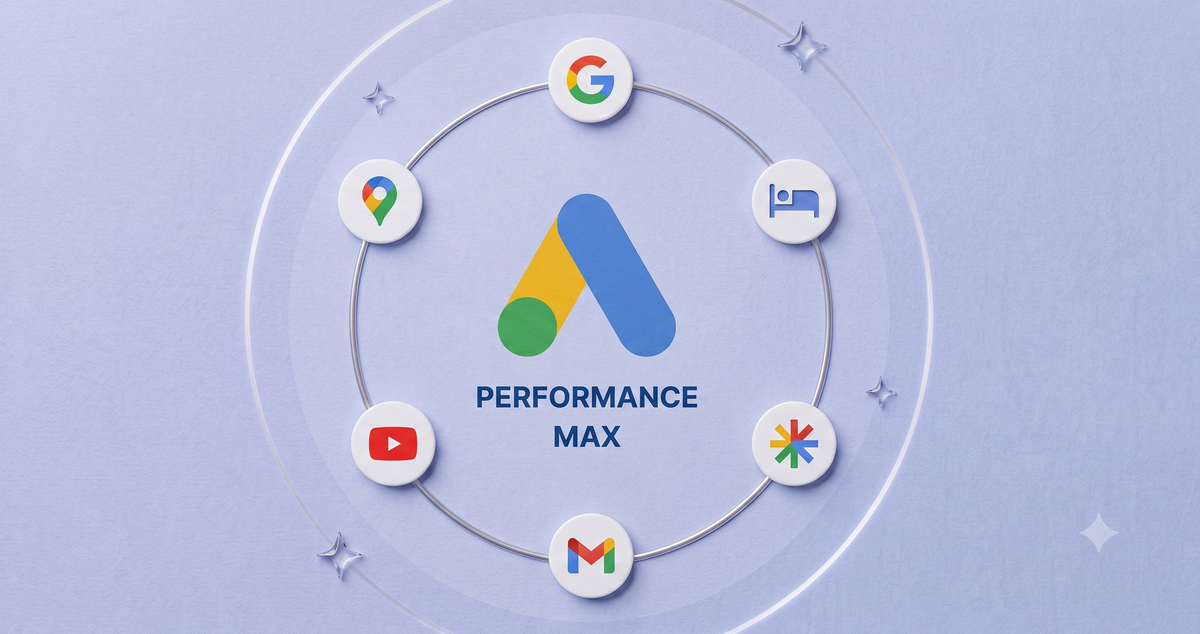
Some say Google built Performance Max just to take away your control and spend your money without transparency. I don’t think that’s the full story. Google is facing the same changes you are. As queries carry less intent, a system that can read signals from YouTube, Discover, Gmail, Maps, and Search has more to work with than just keywords. Performance Max is Google’s way of betting that optimisation is moving from the query to the user, and that shift is happening whether you like the tool or not.
That doesn’t mean Performance Max is the perfect solution. It’s necessary, but not enough on its own. You’re giving the system more freedom just as the old signals are fading, which makes sense, but it’s also when measurement is less clear. Both things are true at the same time.
The reframe
So let’s set aside the budget argument for a moment. It’s not wrong, just incomplete. Splitting a small budget across many campaigns means each one gets less data, so consolidating can help. But that only addresses the surface issue.
The real question is how much your demand still depends on search queries.
For example, a regulated lender whose customers compare rates online, avoid ads they can’t review, and come through high-intent branded searches still relies heavily on queries. In this case, keeping control makes sense. Separate campaigns help by isolating channels, keeping messaging compliant, and giving you numbers you can defend in a review. That’s not just about comfort, it’s part of the job.
But for a consumer brand that gets discovered on social media, through AI answers, or on YouTube, where the final click is almost an afterthought, the situation is different. For them, the search query is a lagging indicator. Running six manual campaigns isn’t real control; it’s aiming for a target that’s already moved on.
How I'd decide now
Budget still tells you something. I'm not pretending an account spending next to nothing should run a sprawling structure. But I'd lead with a different question.
Ask where your demand is being shaped. If most of it still crystallises at the search box, your instinct to keep tight, query-level control is sound, and PMax is a complement at best. If most of it is forming upstream, in places you can't bid on and can barely see, then clinging to query-level structure is optimising the last three feet of a mile-long journey. That's when consolidation stops being a budget compromise and starts being an honest read of where intent actually lives.
The mix is fine, by the way. Core-branded and high-intent exact in their own campaigns, PMax catches everything that no longer announces itself as a query. Plenty of mature accounts should run both.
What I'd leave you with
The advertisers fighting hardest to keep separate campaigns are usually trying to hold on to something that's already slipping away. Not their structure. Their signal.
The query was the cleanest intent data marketing ever had, and AI Search is quietly pulling it apart. That's the real story under the PMax question, and it's the same story reshaping SEO and paid economics at the same time. Decide on that, not on your budget size.